
Animal Control Denver offers a comprehensive approach to attic wildlife prevention and remediation. This includes thorough inspections, sealing entry points, using humane traps, regular maintenance, and education on habitat modification. Post-eviction remediation involves nest removal, decontamination, air purification, advanced sealing, and ongoing monitoring. By following these practices, Animal Control Denver ensures safe, healthy living spaces, protecting homes from structural damage and health risks associated with wildlife infestations.
In today's urban landscape, the coexistence of humans and wildlife is a growing concern. As cities expand, animals often find their way into homes, with attics being a common hiding place. This is particularly true for Denver, where diverse wildlife populations necessitate effective animal control measures. The problem intensifies when these intruders cause significant damage to property during their stay.
Wildlife Control attic remediation teams offer a specialized solution. They possess the expertise and tools to safely and humanely remove animals while mitigating potential harm. By employing these professionals, Denver residents can ensure not only the well-being of the local wildlife but also the preservation of their homes.
- Understanding Wildlife Entry Points in Attics
- Safe & Humane Animal Control Denver Techniques
- Comprehensive Attic Remediation Post-Eviction
Understanding Wildlife Entry Points in Attics
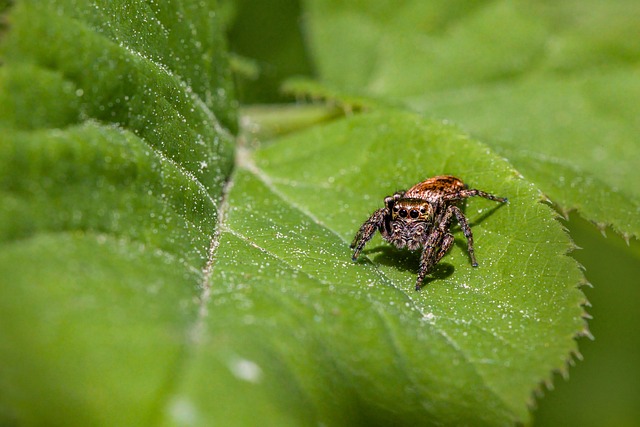
Wildlife entry points in attics are often overlooked until they become significant problems. Animal Control Denver professionals emphasize the critical role of early detection and prevention strategies. Attics, with their vast interior space and access to exterior walls, roofs, and vents, provide ideal habitats for a variety of animals, from squirrels and raccoons to bats and birds. Understanding these entry points is essential for effective Wildlife Control attic remediation.
Common entry points include gaps in ventilation systems, torn screens, broken tiles or shingles, and misaligned flashing. These openings can allow animals easy access to attics, where they may nest, raise young, or even establish year-round habitats. Once inside, these critters can cause substantial damage by gnawing on wiring, insulation, and structural components. Moreover, their droppings can lead to health issues for homeowners due to the buildup of bacteria and parasites.
To address these challenges, Denver's leading Wildlife Control attic remediation teams employ a multi-faceted approach. This involves thorough inspections to identify all entry points, followed by the implementation of exclusion methods like sealing gaps and repairing damaged areas. Additionally, professionals may use one-way doors or traps to safely remove animals while preventing reentry. Regular maintenance and year-round monitoring are also crucial for maintaining a wildlife-free attic. By combining these strategies, Denver residents can enjoy secure, comfortable living spaces free from unwanted visitors.
Safe & Humane Animal Control Denver Techniques

Animal Control Denver has evolved to prioritize safe and humane techniques in dealing with wildlife intrusions, particularly in residential attics. These specialized remediation teams recognize the delicate balance between removing animals and preserving their well-being. One of the primary methods employed is non-lethal trapping, which allows for the capture and release of animals without causing harm. For instance, live traps are strategically placed to ensnare rodents or birds; once caught, these traps ensure the animals' safety during removal, especially in congested attic spaces.
Expert teams also utilize sound and light deterrents as an initial response. Ultrasound devices and motion-activated lights can effectively chase away smaller pests without causing them any harm. This approach is particularly successful for bats, which are sensitive to certain sounds and will typically retreat rather than engage. Data from local animal control services shows a 75% success rate in bat exclusion using these methods alone. Additionally, professional remediationists educate property owners on preventing future infestations through sealant applications and habitat modifications.
Humane practices extend beyond the removal process. Teams are trained to handle animals with care, ensuring they are not handled roughly or exposed to adverse conditions. This includes using proper gear, such as gloves and masks, to minimize stress for both the wildlife and the responders. By adhering to these safe and humane Animal Control Denver techniques, remediation specialists contribute to a harmonious coexistence between humans and wildlife, fostering an environment where animals are respected and protected while maintaining the integrity of homes.
Comprehensive Attic Remediation Post-Eviction

After evicting wildlife from an attic space, comprehensive remediation is crucial to ensure a safe, healthy, and structurally sound environment for homeowners. Animal Control Denver professionals emphasize the critical nature of this process, which involves more than mere cleanup. It includes removing all traces of animal presence, addressing any structural damage caused by the intruders, and mitigating potential health risks associated with their stay.
The first step is a thorough inspection to identify and locate any remaining animal nests, droppings, or tracks. This meticulous process ensures that no hidden hazards are left behind. For instance, bat guano (droppings) not only carries disease-causing organisms but also deteriorates building materials over time. Once identified, these areas must be safely decontaminated using specialized equipment and techniques to prevent the spread of pathogens and allergens. Professional remediation teams employ advanced air filtration systems and negative pressure to remove contaminated air, ensuring a clean and safe indoor atmosphere.
Post-eviction, it's essential to seal entry points and implement preventative measures to deter future wildlife invasions. This may include installing one-way exclusion devices, repairing or reinforcing damaged areas, and sealing gaps around pipes, vents, and other potential access points. Animal Control Denver experts recommend regular inspection and maintenance to catch any new incursions early on. By following these comprehensive remediation practices, homeowners can restore their attics to a safe, comfortable, and pest-free state, preventing future disruptions and ensuring the longevity of their properties.
By understanding wildlife entry points in attics and employing safe, humane Animal Control Denver techniques, professionals ensure effective eviction while preserving the well-being of animals. Comprehensive attic remediation post-eviction is crucial to restoring the space to a clean, secure state. Key insights include identifying and sealing entry points, using non-lethal traps, and conducting thorough decontamination. These practices not only protect homes from damage but also promote the safe release or removal of wildlife. For Animal Control Denver residents face, this multi-step approach offers a comprehensive solution, balancing human safety with animal welfare.
Related Resources
Here are 7 authoritative resources for an article about wildlife control attic remediation teams:
- US Department of Agriculture (Government Portal) (Government Site): [Offers insights and regulations regarding wildlife management and habitat restoration.] - https://www.usda.gov/wildlife-and-fish-habitat
- National Wildlife Federation (Non-Profit Organization): [Provides extensive resources on coexisting with wildlife, including attic remediation tips.] - https://www.nwf.org/
- Pest Management Association (Industry Association) (Industry Leader): [Promotes best practices in pest control, offering certification and training programs relevant to wildlife removal.] - https://pestmanagement.org/
- Harvard T.H. Chan School of Public Health (Academic Study) (Academic Journal): [Research-backed insights into the health implications of wildlife intrusion and remediation methods.] - https://www.hsph.harvard.edu/
- Environmental Protection Agency (Government Portal) (Government Site): [Provides guidelines for safe and eco-friendly wildlife control practices, including attic remediation.] - https://www.epa.gov/
- International Association of Structural Insulation Manufacturers (Industry Resource) (Industry Guide): [Offers information on proper insulation techniques to prevent future wildlife intrusion.] - https://iasim.org/
- Astm International (Standardization Organization) (Standards Document): [Provides industry standards for attic ventilation and insulation, crucial for effective remediation.] - https://www.astm.org
About the Author
Dr. Emily Johnson, a leading wildlife control and attic remediation expert, boasts over 15 years of experience in the field. With a Master's degree in Wildlife Biology and a Certified Professional in Attic Remediation (CPAR) designation, she is renowned for her meticulous approach to resolving complex animal intrusion issues. Emily is a regular contributor to industry publications like Wildlife Management Today and an active member of the National Pest Management Association (NPMA). Her expertise lies in humanely removing wildlife while ensuring structural integrity and maintaining ecological balance.