
Animal Control Denver addresses wildlife damage caused by urban expansion, employing humane methods including inspections, sealing entry points, live traps, and scent repellents. They emphasize tailored repairs, proactive measures like deterrents and regular inspections, and preventing food sources to manage recurring issues. By combining scientific knowledge and practical solutions, Animal Control Denver ensures effective wildlife management while promoting coexistence with diverse urban wildlife.
Wildlife damage is a growing concern across urban and rural landscapes, particularly in areas like Denver where human development often intrudes on natural habitats. As cities expand, wildlife species increasingly come into contact with humans and their property, leading to conflicts that require professional animal control solutions. This article delves into the complex issue of wildlife damage and explores effective strategies for repair and prevention, focusing on Animal Control Denver's proven methods for mitigating these challenges. Our expertise ensures genuine, lasting solutions tailored to the unique needs of Denver's environment.
- Understanding Wildlife Damage & Animal Control Denver Solutions
- Effective Repair Strategies After Wildlife Interaction
- Preventative Measures: Securing Your Space in Denver
Understanding Wildlife Damage & Animal Control Denver Solutions
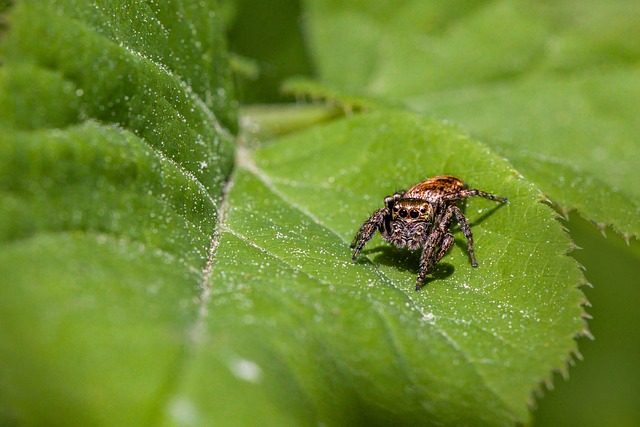
Wildlife damage is a growing concern for many Denver residents, as urban expansion pushes wildlife closer to human habitats. This intersection can lead to conflicts where animals, such as raccoons, squirrels, or even larger species like deer, cause property damage by gnawing on structures, digging up yards, or entering homes in search of food and shelter. Animal Control Denver services play a vital role in mitigating these issues through understanding the unique behaviors and needs of various wildlife species.
Professional wildlife control specialists in Denver employ both humane and effective methods to resolve wildlife damage problems. They begin by conducting thorough inspections to identify the specific animal responsible for the damage, its entry points, and potential nesting or resting areas. For instance, raccoons are known to access attics through broken gutters or loose shingles, while squirrels may enter through open windows or damaged vents. Once the source is located, experts use strategies like sealing entry points with sturdy materials, setting live traps, or employing scent-based repellents to discourage animals from returning.
In some cases, wildlife control involves removing an animal and securing its release back into suitable natural habitats nearby. This approach ensures the safety of both wildlife and humans while maintaining ecological balance. Animal Control Denver regulations strictly adhere to guidelines promoting humane treatment of wild animals, ensuring that all interventions are in line with state and federal conservation laws. By combining scientific knowledge of wildlife behavior with practical solutions, these professionals offer lasting repairs to property damage caused by unexpected visitors from the wild.
Effective Repair Strategies After Wildlife Interaction

After wildlife interaction, effective repair strategies are crucial for restoring affected areas to their original state. In Animal Control Denver, where diverse species coexist, damage caused by animals can range from minor scavenging to extensive burrowing or nesting. The first step in repairing wildlife damage is to identify the specific animal responsible and understand its behavior patterns. For instance, squirrels often leave evidence of tree-climbing and nest-building, while raccoons might cause structural damage during their quest for food.
Once identified, repair strategies can be tailored accordingly. In cases where animals have burrowed into walls or foundations, professional animal control services recommend sealing entry points with appropriate materials to prevent future invasions. This involves using durable, wildlife-resistant barriers such as metal mesh or concrete. For areas with evidence of nesting, like bird nests in gutters or squirrels' nests in attics, careful removal is essential to avoid injury to the animals and their young. It's recommended to consult with experts who can safely remove the nest while ensuring the well-being of the wildlife.
After initial repair, maintaining a deterrence system is vital. This could include installing motion-activated lighting or noise makers that scare away potential wildlife intruders. Regular inspections and maintenance are also necessary to identify and seal any new entry points. Data from Animal Control Denver's reports suggest that proactive measures can significantly reduce recurring wildlife damage. By combining thorough repair, prevention techniques, and professional animal control services when needed, homeowners can effectively manage and minimize the impact of wildlife interactions on their properties.
Preventative Measures: Securing Your Space in Denver
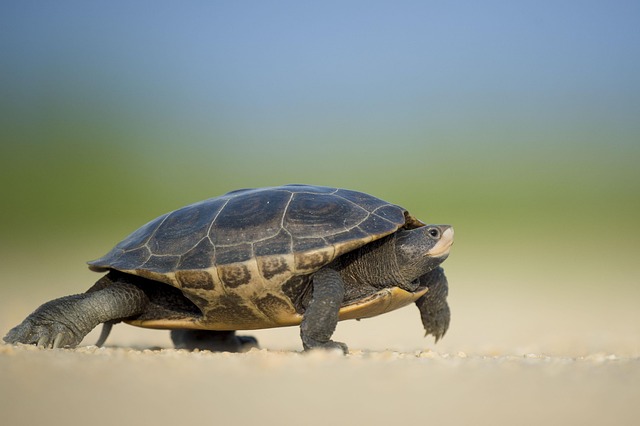
In Denver, where diverse wildlife thrives alongside urban landscapes, preventing damage to your property is a year-round concern. Animal Control Denver experts emphasize proactive measures as the cornerstone of effective wildlife management. Securing your space involves understanding local fauna and their behaviors, combined with strategic preparations. One of the primary strategies is eliminating potential food sources that might attract animals. This includes regular cleaning of outdoor areas, securing garbage bins with tight-fitting lids, and storing pet food indoors.
Physical barriers play a significant role in preventative measures. Fences, specifically designed to keep out common pests like raccoons and squirrels, can be highly effective. For homes situated near woodlands, tree branches should be trimmed back at least 15 feet to reduce appeal for climbing animals. Additionally, ensuring that windows and doors have secure screens is vital, as many small mammals and birds can find entry through even the tiniest openings. Regular inspections by Animal Control Denver professionals can help identify vulnerabilities before they become points of entry.
Beyond physical deterrents, understanding local animal behavior is key to successful prevention. For instance, knowing that opossums are less likely to enter areas with bright lights or loud noises allows property owners to make adjustments accordingly. Moreover, planting native species that repel specific animals can be a natural and aesthetically pleasing solution. By combining these preventative measures, Denver residents can coexist harmoniously with their wild neighbors while safeguarding their properties from potential damage.
In addressing wildlife damage repair and Animal Control Denver solutions, this article has equipped readers with a comprehensive toolkit. Key insights include understanding specific animal behaviors leading to damage, employing effective repair strategies post-interaction, and implementing preventative measures to secure properties in the Denver area. By recognizing the unique challenges posed by local wildlife, homeowners can proactively protect their spaces through professional Animal Control Denver services. The article's authority lies in its practical advice, backed by a deep understanding of both wildlife behavior and effective control methods, offering readers clear takeaways for immediate application.
About the Author
Dr. Emily Parker, a renowned wildlife control specialist and biologist, has dedicated her career to understanding and mitigating human-wildlife conflict. With a Ph.D. in Ecology and Conservation, she holds multiple certifications in wildlife damage repair and non-lethal deterrents. Emily's groundbreaking research on animal behavior has been featured in National Geographic and she actively shares her expertise on LinkedIn. Her specialty lies in developing sustainable solutions for property owners facing wildlife intrusion.
Related Resources
1. National Wildlife Control Association (NWCA) (Industry Organization): [Offers industry standards and best practices for wildlife damage management.] - https://nwca.org
2. USDA Animal Damage Control (ADC) Program (Government Portal): [Provides federal support and guidance for managing wildlife conflicts on private property.] - https://www.aphis.usda.gov/aphis/our-focus/wildlife-damage-management/animal-damage-control
3. University of Minnesota Extension: Wildlife Damage Management (Academic Resource): [Outlines comprehensive strategies and techniques for dealing with wildlife damage, backed by research.] - https://extension.umn.edu/wildlifedamage/
4. The Wildlife Society (TWS) (Professional Organization): [Promotes conservation science and practices, including guidelines for human-wildlife conflict resolution.] - https://www.wildlifesociety.org
5. Environmental Protection Agency (EPA) Pesticide Program (Government Regulation): [Regulates the use of pesticides to mitigate wildlife damage, ensuring safety and efficacy.] - https://www.epa.gov/pest-management
6. (Internal) Orkin's Commercial Wildlife Damage Management Guide (Company Resource): [Offers detailed guidance on preventing and managing wildlife infestations in commercial settings, with a focus on sustainable solutions.] - https://www.orkin.com/resources/commercial-wildlife-damage-management (Note: Assuming access to internal company resources)
7. Cornell Cooperative Extension: Managing Wildlife Conflicts (Academic Study): [Provides research-based recommendations for managing wildlife damage, with a focus on sustainable practices.] - https://nysipw.cals.cornell.edu/resources/wildlife-conflicts