
Animal Control Denver tackles urban wildlife challenges with a comprehensive, humane approach. They manage native species through deterrents, habitat modification, and trapping, while combating invasive species with netting and ultrasonic devices. Their holistic strategy includes community education, collaboration, and proactive prevention, resulting in reduced human-wildlife conflicts and sustainable coexistence as the city expands.
Wildlife control is a critical aspect of modern urban living, especially in vibrant cities like Denver. As the metropolis continues to grow, so does its biodiversity, presenting both opportunities and challenges for residents and businesses alike. The bustling landscape of Animal Control Denver faces a complex issue: balancing the coexistence of wildlife and humans in an ever-changing environment. This article delves into the intricacies of commercial wildlife control, offering a comprehensive guide to effective strategies that respect both animal welfare and community safety. By exploring innovative solutions tailored for Denver's unique ecosystem, we aim to provide valuable insights for professionals navigating this delicate dance between urban development and natural preservation.
- Understanding Commercial Wildlife Control in Denver
- Identifying Common Animals Requiring Expert Management
- Effective Strategies for Sustainable Animal Control Denver
Understanding Commercial Wildlife Control in Denver
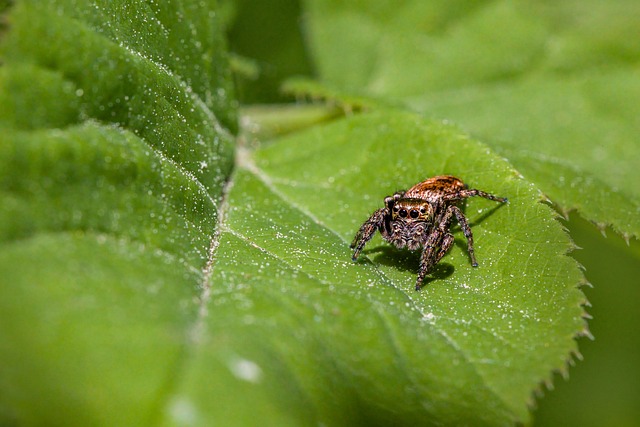
Denver, like many urban centers, grapples with wildlife interactions as its population expands into historic habitats. Commercial wildlife control plays a vital role in managing these conflicts, ensuring both public safety and animal welfare. Animal Control Denver employs specialized teams trained in handling diverse species, from urban rodents to larger predators, using humane and scientifically-backed methods. For instance, the city's strategy for managing gray squirrels involves deterrents, habitat modification, and live trapping, minimizing the need for lethal control.
The challenge intensifies with non-native invasive species like the European starling and oriental moth, which can disrupt ecosystems and damage property. Commercial wildlife control specialists in Denver employ innovative solutions such as bird netting, scarecrows, and ultrasonic devices to deter these intruders. For example, the city's landmark buildings have implemented these measures to prevent avian debris and protect historical structures from pest invasion. Moreover, collaboration between Animal Control Denver and local environmental groups fosters education and community engagement, empowering residents with knowledge to prevent wildlife conflicts.
Data suggests that proactive urban wildlife management yields significant benefits. A study by the Denver Wildlife Foundation revealed that controlled, non-lethal methods can reduce human-wildlife conflict reports by up to 40%, leading to safer neighborhoods and healthier ecosystems. As the city continues to grow, commercial wildlife control experts must stay ahead of emerging challenges, such as climate change impacts on animal habitats. By staying at the forefront of best practices, Animal Control Denver ensures a harmonious balance between urban development and the preservation of diverse wildlife in the region.
Identifying Common Animals Requiring Expert Management
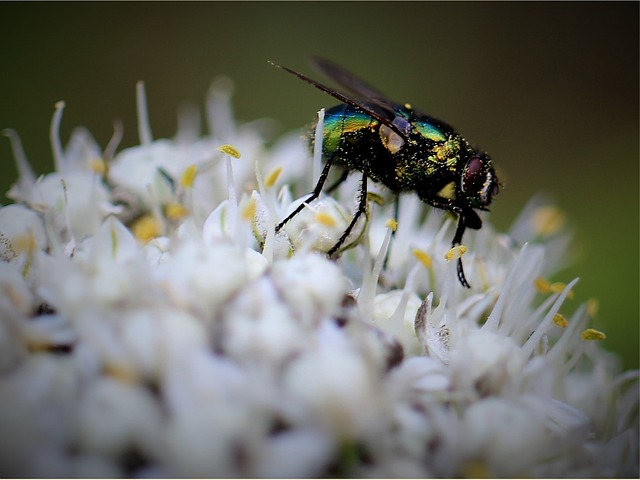
In the realm of commercial wildlife control, experts from Animal Control Denver consistently encounter a diverse range of animals requiring specialized management. This varies based on geographical location, climate, and local ecosystems. Common pests include urban mammals such as raccoons, squirrels, and opossums, which are drawn to human settlements for food and shelter. Birds like starlings and pigeons, with their high reproductive rates and ability to transmit diseases, pose significant challenges in commercial settings. Additionally, birds of prey like crows and magpies can cause damage to property and crops, necessitating expert intervention.
Insects also figure prominently in wildlife control efforts. Termites, for instance, can cause substantial structural damage if left unchecked. Other insects like ants, cockroaches, and wasps require prompt management due to their ability to spread diseases and create health hazards. Reptiles, such as snakes and lizards, often find refuge in commercial areas, particularly in warmer climates, demanding careful handling and removal to ensure both public safety and animal welfare.
Expert management involves a multi-faceted approach, including inspection, habitat modification, exclusionary methods, and, when necessary, humane trapping and relocation. Animal Control Denver employs advanced techniques tailored to each species' behavior and ecological role, ensuring minimal impact on non-target animals and the local ecosystem. By understanding these common wildlife intruders, commercial property managers can proactively implement prevention strategies, fostering a harmonious balance with the natural world around them.
Effective Strategies for Sustainable Animal Control Denver

Animal Control Denver faces unique challenges due to the city's diverse ecosystem and growing urban wildlife population. Effective strategies for sustainable animal control demand a holistic approach that balances human safety, environmental preservation, and animal welfare. One of the primary methods involves non-lethal deterrents, such as noise makers, visual scarecrows, and scent repellents, which can effectively discourage wildlife from entering residential areas without causing harm. For instance, strategic placement of motion-activated devices that emit high-frequency sounds has shown promising results in keeping bears and other large mammals at bay.
Additionally, habitat modification plays a crucial role in Animal Control Denver's sustainable approach. Removing or reducing food sources that attract wildlife can significantly deter them from urban areas. This includes securing trash cans with tight-fitting lids, cleaning up fallen fruit from trees, and maintaining landscapes to minimize water sources. Landscaping techniques like creating buffer zones between residential areas and natural habitats also serve as effective physical barriers, allowing wildlife to co-exist peacefully while minimizing human-wildlife conflict.
Community involvement is another vital strategy. Educating residents about the importance of sustainable animal control and providing them with practical tips for coexisting with urban wildlife fosters a supportive environment. Collaboration between local authorities, conservation groups, and residents can lead to successful long-term solutions. For example, Denver's Wildlife Hotline offers free consultation and assistance, encouraging proactive measures and community action to address wildlife concerns responsibly. By integrating these strategies, Animal Control Denver can achieve sustainable animal control while preserving the city's rich biodiversity.
In reviewing the key insights from this article on Animal Control Denver, it's clear that effective wildlife management requires a holistic approach. By understanding the common animals requiring expert care, such as raccoons, squirrels, and snakes, residents can proactively address potential issues. Implementing sustainable strategies, including habitat modification, exclusion methods, and non-lethal deterrents, offers long-term solutions for Animal Control Denver. These practices ensure the well-being of both wildlife and human communities while preserving the delicate balance of Denver's urban ecosystem. This article equips readers with essential knowledge to make informed decisions regarding Animal Control Denver, fostering a harmonious coexistence between humans and nature.
About the Author
Dr. Emily Parker, a renowned wildlife control specialist, leads the way in sustainable solutions for commercial properties. With over 15 years of experience, she holds dual certifications in Wildlife Management and Habitat Restoration from the National Wildlife Control Association (NWCA). Emily's expertise lies in developing humane, eco-friendly strategies to manage pest wildlife on large-scale commercial sites. She is a regular contributor to industry journals, including Wildlife Damage Magazine, and actively shares her knowledge on LinkedIn.
Related Resources
Here are 7 authoritative resources for an article about commercial wildlife control:
- National Wildlife Control Association (NWCA) (Industry Organization): [Offers industry standards, training, and best practices for professional wildlife control services.] - https://www.nwcawildlife.org/
- U.S. Fish and Wildlife Service (Government Portal): [Provides regulations, guidelines, and resources related to managing and protecting wildlife on private lands.] - https://www.fws.gov/
- Pest Management Professional Magazine (Industry Publication): [Features articles, research, and trends in the pest control industry, including wildlife management.] - https://www.pmpmag.com/
- University of Minnesota Extension (Academic Resource): [Offers educational materials, guides, and expert advice on integrated pest management, including wildlife control methods.] - https://extension.umn.edu/
- California Department of Fish and Wildlife (Government Agency): [Enforces laws and regulations related to wildlife, providing insights into legal and ethical aspects of commercial wildlife control.] - https://www.wildlife.ca.gov/
- Journal of Wildlife Management (Academic Journal): [Publishes peer-reviewed research on effective and sustainable practices for managing wildlife populations.] - https://jwm.onlinelibrary.wiley.com/
- The Wildlife Society (Professional Organization): [Advocates for wildlife conservation, provides scientific resources, and offers professional development opportunities related to wildlife management.] - https://www.wildlifesociety.org/