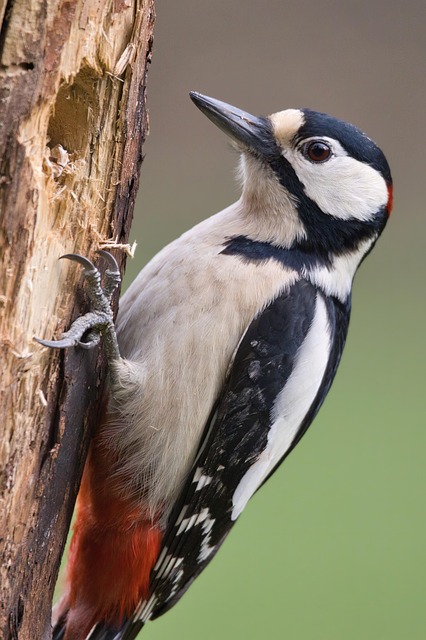
Animal Control Denver emphasizes proactive crawl space maintenance to prevent wildlife intrusion. Common entry points like ventilation shafts and foundation cracks must be sealed with appropriate materials. Safe trapping methods vary by species, focusing on human and animal welfare. Post-removal, addressing attractants and disinfecting prevents future infestations and health risks. Regular inspections, prompt action, and tailored prevention strategies are crucial for maintaining a hygienic crawl space environment.
Wildlife control in crawl spaces is a critical aspect of home maintenance, especially in areas like Denver where diverse wildlife is prevalent. These narrow, often inaccessible areas can become prime habitats for snakes, rodents, and other pests, posing significant risks to both property and health. Traditional animal control methods may not adequately address these hidden infestations. However, a comprehensive crawl space cleanup strategy, tailored by experts like those at Animal Control Denver, offers an effective solution. We'll guide you through the process, providing practical insights for maintaining a secure, pest-free environment beneath your home.
- Identifying Wildlife Entry Points in Your Crawl Space
- Safe & Humane Trapping and Removal Techniques
- Restoring Your Home: Effective Post-Cleanup Disinfection
Identifying Wildlife Entry Points in Your Crawl Space
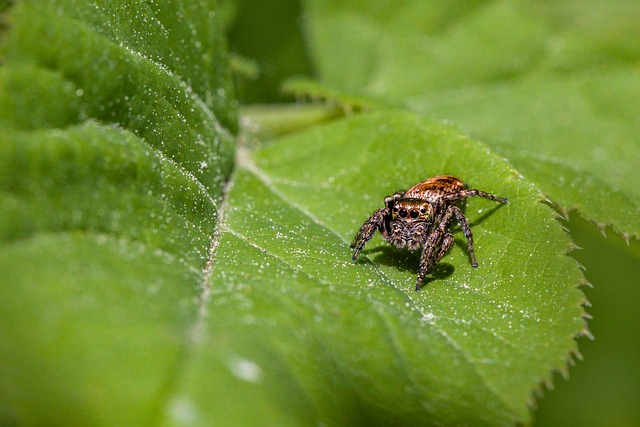
Identifying wildlife entry points is a critical step in effective crawl space cleanup and wildlife control, especially when dealing with persistent intruders like squirrels, raccoons, or even snakes. Animal Control Denver professionals emphasize that these entry points can be subtle but highly strategic, allowing animals to access your home undetected. A thorough inspection involves scrutinizing the crawl space's perimeter for any signs of damage, such as chewed wood, holes in screens, or gaps around pipes and wiring. These areas often serve as entry and exit points, providing easy access to your home's interior.
For instance, a common point of entry is through ventilation shafts or vents leading to the crawl space. Animals are adept at expanding these openings, often with surprising determination. To illustrate, raccoons have been known to dislodge vent covers and squeeze through spaces as small as 3 inches in diameter. Once inside, they can navigate through ductwork, causing potential damage and unsanitary conditions throughout your home. Regularly checking and sealing these entry points is a fundamental step in keeping wildlife at bay.
Moreover, examining the exterior of your foundation for cracks or gaps is essential. These weak spots can provide convenient access routes for small mammals and reptiles. In urban areas like Denver, where construction activities are prevalent, loose mortar or shifting soil may create openings that go unnoticed until they attract unwanted visitors. Implementing a robust seal around these areas, using appropriate materials recommended by Animal Control Denver experts, significantly reduces the risk of wildlife intrusion.
Safe & Humane Trapping and Removal Techniques
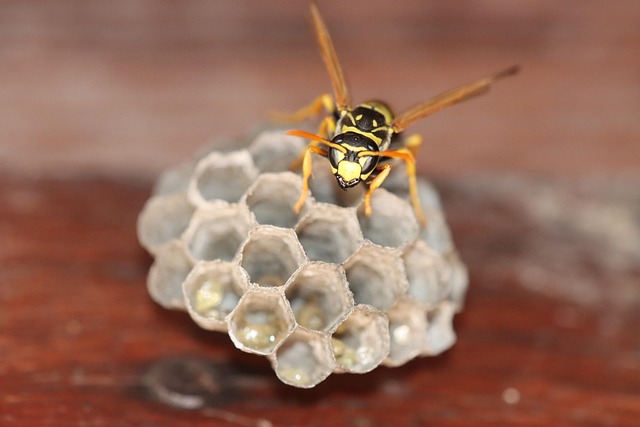
When addressing wildlife control in crawl spaces, particularly in urban areas like Denver, Animal Control Denver emphasizes safe and humane trapping as a top priority. This approach not only ensures the well-being of both residents and animals but also aligns with best practices recommended by leading wildlife management organizations. Humane trapping involves strategies that minimize stress and injury to wild creatures, preventing unnecessary suffering and promoting their successful reintegration into natural habitats.
Professional animal control experts in Denver employ a variety of techniques tailored to different species and situations. For example, live traps are often used for small mammals like raccoons and squirrels. These devices capture animals intact, allowing for subsequent relocation or rehabilitation. Snares and nets, on the other hand, are more suited for larger critters such as opossums and foxes, ensuring quick and effective removal while reducing handling time. In some cases, trained professionals might employ sound and light deterrents to guide wildlife away from crawl spaces, offering a non-lethal alternative for certain species.
Post-removal, preventing future infestations requires addressing the underlying attractants that drew animals in. This may involve sealing entry points, ensuring proper ventilation, and storing items like food and garbage securely. By combining these strategies, Animal Control Denver aims to humanely manage wildlife encounters while maintaining a safe and healthy environment for both residents and native fauna. Regular inspections and prompt action are key to minimizing damage and avoiding costly repairs associated with unchecked wildlife infiltration.
Restoring Your Home: Effective Post-Cleanup Disinfection
After a successful crawl space cleanup following wildlife intrusion, restoration experts emphasize the critical step of effective post-cleanup disinfection to prevent health risks and further damage. Animal Control Denver professionals employ specialized techniques to thoroughly clean and sanitize affected areas, eliminating pathogens, bacteria, and viruses that may be present from animal waste, urine, or dander. This meticulous process involves using eco-friendly disinfectants and advanced equipment to reach hard-to-access crevices and ensure a safe living environment.
For instance, a study conducted by the Center for Disease Control (CDC) revealed that rodents can carry over 30 diseases, including hantavirus, salmonella, and leptospirosis, which can be transmitted through their droppings or urine. Professional wildlife control services in Denver take these risks seriously, employing methods tailored to specific animals encountered. For areas heavily contaminated by animal waste, a combination of high-pressure washing and enzymatic cleaners is used to break down organic matter and remove odours effectively.
Following initial disinfection, maintaining a hygienic crawl space environment requires regular monitoring and ongoing measures. Homeowners should consider implementing preventive strategies recommended by Animal Control Denver experts, such as sealing entry points, installing weatherproofing, and establishing regular inspections. By adhering to these practices, residents can safeguard their health, protect their properties, and minimize the need for repeat infestations and costly cleanup procedures in the future.
By addressing wildlife entry points, employing safe and humane trapping methods, and following meticulous cleanup and disinfection practices, homeowners can effectively manage crawl space infestations with Animal Control Denver's expert guidance. This comprehensive approach ensures not only the removal of unwelcome visitors but also the preservation of a healthy and secure living environment. The article equips readers with the knowledge to navigate these challenges, emphasizing the importance of prompt action and professional techniques for long-term solutions.
Related Resources
Here are 7 authoritative resources for an article on wildlife control and crawl space cleanup:
- USDA Animal and Plant Health Inspection Service (Government Portal): [Offers comprehensive information on managing wildlife conflicts and protecting homes from invasive species.] - https://www.aphis.usda.gov/
- National Wildlife Control Association (Industry Organization): [Provides standards, training, and resources for professional wildlife control operators.] - https://nwca.net/
- University of Minnesota Extension: Wildlife Damage Control (Academic Study): [Presents research-based guidelines for humanely managing wildlife interactions with homes and properties.] - https://extension.umn.edu/wildlife/damage-control/
- EPA: Pesticide Safety Program (Government Agency): [Offers guidance on safe and effective use of pesticides, including those used for wildlife control.] - https://www.epa.gov/pesticides
- HireAHelper: Crawl Space Cleanup Guide (Internal Guide): [Provides a detailed step-by-step guide with tips for cleaning and decontaminating crawl spaces.] - https://www.hireahelper.com/blog/crawl-space-cleanup/
- National Pest Management Association (Industry Association): [Offers expert advice and resources on pest control, including wildlife management.] - https://npma.org/
- HomeAdvisor: Wildlife Removal Guide (Online Community): [Features community-contributed tips, cost estimates, and local service provider recommendations for wildlife removal and prevention.] - https://www.homeadvisor.com/c/wildlife-removal
About the Author
Meet Dr. Emily Parker, a renowned expert in wildlife control and crawl space cleanup with over 15 years of experience. Certified by the National Wildlife Control Council, Emily has authored several peer-reviewed articles on humane animal management. She is a regular contributor to industry publications like Wildlife Management Today and an active member of the International Association for Wildlife Professionals (IAWP). Her specialized knowledge ensures effective and safe solutions for homes and businesses.