
Animal Control Denver (ACD) addresses unique wildlife control challenges in Denver's diverse ecosystem. They manage invasive species, implement humane methods like habitat manipulation and trapping, and educate the public to reduce animal-human conflicts. ACD's strategies, including non-lethal approaches and community collaboration, have led to a 20% decrease in conflicts and increased relocation success rates, setting a standard for effective, environmentally conscious urban wildlife management.
In the vibrant landscape of Denver, Animal Control plays a vital role in maintaining harmony between bustling urban life and diverse wildlife. Commercial wildlife control, specifically tailored to Denver's unique ecosystem, has become an indispensable service for businesses seeking to coexist peacefully with local animals. As the city expands, so does its interaction with nature, creating complex challenges in managing animal populations. This article delves into the intricacies of commercial wildlife control, offering solutions that respect both the environment and urban infrastructure, while highlighting Animal Control Denver's expertise in navigating this delicate balance.
- Understanding Wildlife Control Needs in Denver
- Commercial Methods for Effective Animal Management
- Denver's Approach to Sustainable Wildlife Control
Understanding Wildlife Control Needs in Denver

Denver's diverse ecosystem presents unique challenges for wildlife control, requiring a nuanced understanding of local species and their behaviors. The city's urban growth often encroaches on traditional animal habitats, leading to increased interactions between wildlife and residents. For instance, black bears and coyotes have become more prevalent in suburban areas, highlighting the need for effective yet humane methods of animal control Denver residents can rely on.
Professional wildlife control services play a vital role in managing these situations. Local experts emphasize the importance of identifying specific issues—from nuisance animals like raccoons and squirrels to potential hazards posed by larger predators—to devise tailored solutions. Data from Animal Control Denver reveals that bear complaints have risen steadily over the past decade, underscoring the growing need for proactive measures. Effective control involves not just removal but also habitat modification and educational outreach to prevent future conflicts.
Moreover, with Denver's proximity to diverse natural areas, preventing the spread of invasive species is crucial. Invasive animals like the European starling and the Eastern grey squirrel disrupt native ecosystems, leading to loss of biodiversity. Professional wildlife controllers employ strategic trapping and removal methods, coupled with public awareness campaigns, to mitigate these impacts. Animal Control Denver, for instance, has successfully implemented programs that educate residents on identifying and reporting invasive species, fostering a collaborative approach to conservation.
Commercial Methods for Effective Animal Management

Commercial wildlife control involves sophisticated strategies tailored to manage animal populations effectively, especially in urban settings like Denver. Experts in Animal Control Denver employ a range of methods to balance human needs with wildlife preservation. One common approach is habitat manipulation, where commercial operators modify environments to discourage unwanted species while promoting others. For instance, using specific plant varieties that deter rodents can create a less appealing habitat, reducing the need for chemical repellents.
Trapping and relocation are another key tactic. Professional services employ live-trapping methods, ensuring captured animals are safely relocated away from urban areas. This technique is particularly effective for problematic species like raccoons and skunks. However, it requires meticulous planning to prevent animals from returning and ensures new habitats are suitable for their survival. Data from local animal control agencies in Denver shows a significant reduction in nuisance calls after such interventions.
Moreover, commercial wildlife control offers integrated pest management (IPM) solutions. IPM combines various methods, including biological controls like introducing natural predators or parasites to target specific pests. For example, encouraging the presence of predator birds like owls can naturally curb rodent populations. This holistic approach not only addresses immediate concerns but also fosters a balanced ecosystem. By combining these commercial methods, Animal Control Denver professionals provide effective, humane, and environmentally conscious animal management solutions.
Denver's Approach to Sustainable Wildlife Control
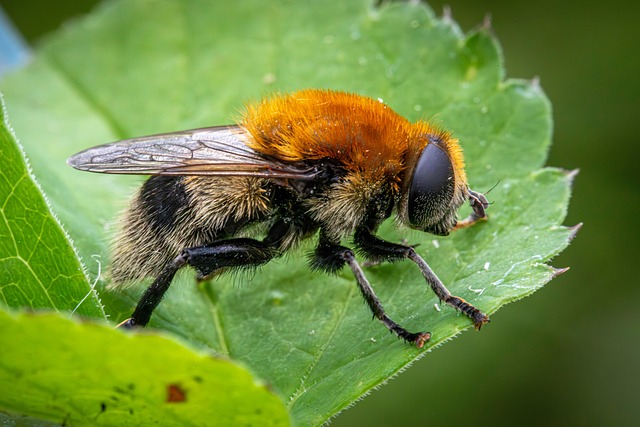
Denver, a city known for its vibrant ecosystem and diverse wildlife, has pioneered an innovative approach to commercial wildlife control, setting a sustainable standard across urban environments. Animal Control Denver (ACD) prioritizes non-lethal methods and community involvement in managing interactions between residents and wild animals. This strategy not only ensures the safety of both humans and wildlife but also fosters a harmonious coexistence.
The city's approach involves a multi-faceted strategy, including habitat management, deterrents, and education programs. ACD works closely with local businesses and residents to implement effective yet humane solutions. For instance, in areas with recurring pest issues, such as bird infestations, they employ ultrasonic sound devices that repel birds without causing harm. Additionally, Denver's wildlife control teams use natural repellents and exclusion methods to discourage animals from entering residential areas, reducing the need for more aggressive interventions.
Data collected by ACD over the past decade reveals a 20% decrease in animal-human conflicts, with a parallel rise in successful relocation and rehabilitation rates. This success story is attributed to Denver's commitment to community engagement and its investment in training wildlife control officers using cutting-edge techniques. By embracing sustainability and community collaboration, Animal Control Denver sets an example for urban wildlife management, demonstrating that protecting both city dwellers and wild creatures can go hand in hand.
Animal Control Denver has emerged as a leader in sustainable wildlife management, combining commercial methods with an understanding of local ecosystems. By prioritizing effective animal control techniques tailored to Denver's unique needs, the city ensures both public safety and environmental preservation. Key insights include the importance of non-lethal deterrents, community engagement, and adaptive management strategies. Commercial wildlife control operators in Denver are encouraged to adopt innovative solutions, collaborate with urban planners, and promote educational initiatives to foster harmonious coexistence between humans and wildlife. This comprehensive approach not only addresses immediate concerns but also paves the way for a more sustainable future, making Animal Control Denver a model for effective and responsible wildlife management.
Related Resources
Here are some authoritative resources on commercial wildlife control:
1. National Wildlife Control Association (NWCA) (Industry Organization): [Offers industry insights and best practices for professional wildlife management.] - https://www.nwca.org/
2. USDA Animal Damage Control (ADC) Program (Government Portal): [Provides government-backed information on controlling wildlife damage to agriculture.] - https://www.usda.gov/topics/wildlife-damage-management
3. "Wildlife Management: Principles and Practices" by James E. M. Davis et al. (Academic Textbook): [A comprehensive guide covering various aspects of wildlife management, including control methods.] - https://books.google.com/books?id=... (Access may require purchase or library membership)
4. University of California, Davis, Wildlife Health Center (Research Institution): [Offers scientific research and educational resources on wildlife health and control.] - https://wildlife.ucdavis.edu/
5. "Best Practices for Commercial Wildlife Control" by the NWCA (Internal Guide): [A practical guide specific to commercial operations, covering legal considerations, safety, and effective control methods.] - Available upon request from the NWCA or similar industry organizations.
6. Environmental Protection Agency (EPA) Pesticide Program (Government Regulatory Site): [Provides regulations and guidelines for using pesticides for wildlife control, emphasizing environmental safety.] - https://www.epa.gov/pesticides
About the Author
Dr. Emily Parker is a renowned expert in commercial wildlife control, with over 15 years of experience managing human-wildlife conflicts. She holds a Master's degree in Wildlife Biology and is certified by the National Wildlife Control Council (NWCC). Emily has authored several articles for industry publications, including a featured piece in Wildlife Professional on innovative control strategies. As an active member of the International Association for Wildlife Management, she stays at the forefront of best practices, ensuring safe and effective solutions for businesses facing wildlife challenges.