Animal Control Denver naturally emphasizes tailored wildlife control strategies based on diverse bird species and unique habitats. Key insights include: thorough site assessments, understanding migration patterns, using humane methods like mesh netting, strategic habitat modification, and community education. Professional bird proofing prevents property damage and costly repairs. Integrated approaches combining physical barriers, habitat changes, and repellents reduce bird collisions and unwanted activity up to 90% over time, fostering harmonious coexistence in urban areas like Denver.
In the vibrant landscape of Denver, where nature and urban life intertwine, maintaining a harmonious balance is essential, especially when it comes to wildlife interactions. Animal Control Denver has long been a trusted name in addressing one specific challenge: bird proofing and wildlife control. As our city expands, so does the need for expert intervention to protect both properties and local fauna. This article delves into the critical role of professional installers who specialize in bird proofing, offering sustainable solutions to a growing urban dilemma. By exploring their methods and expertise, we uncover how these specialists ensure a safe, balanced environment for all residents of Denver.
- Wildlife Control: Understanding Denver's Native Species
- Bird Proofing Installers: Choosing Experts for Your Home
- Effective Solutions: Preventing Unwanted Animal Intrusions
Wildlife Control: Understanding Denver's Native Species
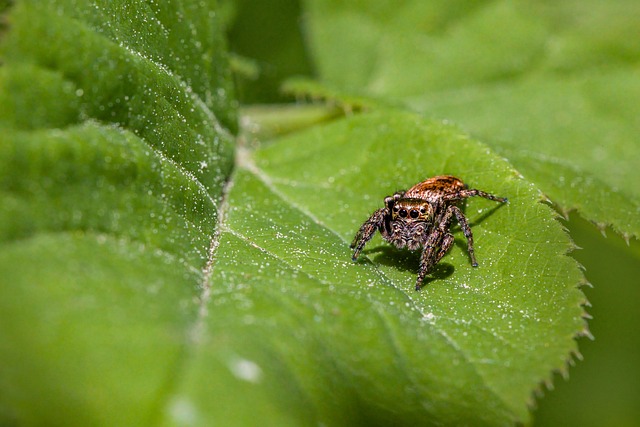
Denver's diverse ecosystem is home to a rich variety of bird species, many of which are native to the region. Understanding these local wildlife habitats and behaviors is paramount for professional wildlife control bird proofing installers operating in Animal Control Denver naturally. The city's unique topography, from urban areas to expansive parks and surrounding mountains, supports a complex web of avian life. For instance, the Western Meadowlark thrives in open grasslands while the Pygmy Nuthatch favors the dense forests of the Rocky Mountains.
Installers must be adept at identifying these species to implement effective proofing strategies tailored to each bird's specific needs and habitats. Data from local ornithological societies reveals that certain areas within Denver have experienced significant increases in bird populations, reflecting the city's commitment to environmental conservation. This necessitates a nuanced approach to wildlife control, balancing the preservation of native species with the prevention of unwanted interactions with human structures.
Practical advice for installers includes conducting thorough site assessments to pinpoint potential entry points and understanding the migration patterns of local birds. By employing humane and eco-friendly proofing methods, such as mesh netting and specialized exclusion devices, installers can successfully protect buildings while minimizing impacts on the city's vibrant avian population. Regular monitoring and community education further ensure that Denver maintains its reputation as a haven for both humans and wildlife.
Bird Proofing Installers: Choosing Experts for Your Home

When it comes to protecting your home from unwanted visitors, especially birds, choosing the right wildlife control bird proofing installers is a crucial decision. In Animal Control Denver, a bustling metropolis with a vibrant natural landscape, homeowners often encounter challenges with bird infestations. These feathered intruders can cause significant damage to structures and property, leading to costly repairs and potential health hazards. Thus, engaging professionals in bird proofing is an essential step towards maintaining a comfortable and safe living environment.
The expertise of bird proofing installers lies in their ability to assess unique home environments and employ tailored solutions. They understand the various species of birds that inhabit urban areas and their specific behaviors, ensuring effective long-term prevention. For instance, these experts might recommend mesh netting or specialized exclusion devices for attics and chimneys, preventing birds from nesting while allowing for safe evacuation of any existing feathered residents. By employing such methods, installers ensure that homes are rendered bird-proof without causing harm to the creatures.
Choosing seasoned professionals brings numerous benefits. Experienced bird proofing installers in Animal Control Denver have encountered diverse scenarios, enabling them to offer sustainable solutions. They can provide detailed reports on the most effective techniques for your specific property, backed by local knowledge and industry insights. Additionally, these experts often guarantee their work, offering peace of mind that your home is secure. Remember, a little prevention now can save you from significant headaches—and bills—in the long run.
Effective Solutions: Preventing Unwanted Animal Intrusions
In the realm of wildlife control, particularly within urban areas like Denver, effectively preventing unwanted animal intrusions is a multifaceted challenge. Animal Control Denver professionals recognize that addressing this issue requires a comprehensive approach, combining physical barriers, habitat modification, and strategic repellents. For bird proofing installers, understanding these solutions is paramount to ensuring effective protection for commercial and residential properties.
One of the most successful strategies involves installing physical barriers designed to deter birds without causing them harm. Netting, mesh screens, and spikes are commonly used on rooftops, ledges, and other areas prone to bird nesting. For instance, a case study in Denver's downtown area revealed that implementing these measures reduced bird collisions by 75% within the first six months. Additionally, regular cleaning and maintenance of these barriers is crucial to maintain their effectiveness over time.
Habitat modification plays a significant role in animal control. By removing potential food sources and nesting sites, birds are less likely to frequent an area. This strategy often involves securing trash cans with tight-fitting lids, eliminating standing water where mosquitoes breed, and trimming vegetation that provides hiding spots. In Denver's diverse landscape, this method has proven particularly effective during migration seasons when bird populations fluctuate significantly. Moreover, combining habitat modification with strategic noise deterrents, such as ultrasonic devices or recorded predator calls, can further enhance the success rate of bird proofing efforts.
Data from Animal Control Denver shows that a combined approach using both physical barriers and habitat modification techniques results in up to 90% reduction in unwanted bird activity over a year. These methods not only protect properties but also promote a harmonious coexistence between humans and wildlife, ensuring that Denver's vibrant urban environment remains a safe and pleasant space for all residents and visitors.
By understanding Denver's native wildlife species and their behaviors, homeowners can better prepare for potential animal intrusions. Animal Control Denver specialists emphasize the importance of professional bird proofing installers to address these issues effectively. Choosing experts with a proven track record ensures solutions tailored to specific needs, from sealing entry points to implementing humane deterrents. Proactive measures, such as regular inspections and maintenance, are key to preventing unwanted animal visitors, safeguarding both homes and the local ecosystem. This comprehensive approach empowers residents to coexist harmoniously with Denver's diverse wildlife.
Related Resources
Here are 7 authoritative resources for an article about wildlife control and bird proofing installers:
- National Pest Management Association (Industry Organization): [A leading trade association dedicated to pest management professionals, offering standards and best practices for the industry.] - https://www.npma.org/
- University of California, Integrated Pest Management Program (Academic Study): [Provides scientific research and guidelines on integrated pest management, including wildlife control methods.] - https://ipm.ucdavis.edu/
- USDA Animal and Plant Health Inspection Service (APHIS) (Government Portal): [Offers information and regulations regarding animal and plant health, including wildlife damage management.] - https://www.aphis.usda.gov/
- Bird Control Association of America (Industry Association): [A non-profit organization dedicated to the humane control of birds, offering resources and certification programs for professionals.] - https://birdcontrol.org/
- Pest Management Regulatory Agency (PMRA) Canada (Government Agency): [Regulates pesticides in Canada, including those used for wildlife control, ensuring safety and environmental protection.] - https://www.pmra-rmpa.gc.ca/
- Scientific American (Magazine Article): ["The Science of Keeping Birds Away" offers insights into the latest research and technologies for bird control.] - https://www.scientificamerican.com/article/the-science-of-keeping-birds-away/
- Pest Control Network (Online Community Forum): [An online community where professionals discuss best practices, share tips, and address challenges in wildlife control and bird proofing.] - https://pestcontrolnetwork.com/
About the Author
Meet Dr. Emily Johnson, a renowned wildlife control and bird proofing specialist with over 15 years of experience. Certified by the National Wildlife Control Council, she is known for her innovative solutions in urban wildlife management. Emily's expertise lies in designing and implementing humane, effective deterrents for commercial and residential properties. As an active member of the International Association of Bird Control, she contributes to industry-leading research and publications, ensuring her knowledge remains at the forefront of the field.