
Animal Control Denver permits are crucial for responsible wildlife management in urban settings, ensuring ecological balance. The process involves identifying species, providing detailed documentation, and adhering to strict reviews and conditions for humane treatment and compliance. Adherence to these regulations by property owners and professionals fosters a harmonious coexistence with Denver's diverse wildlife while avoiding legal repercussions. Key strategies include proactive research, seeking expert guidance, and maintaining open communication with Animal Control Denver for updated insights and trust-building.
Wildlife Control is a critical aspect of environmental management, particularly in urban settings where human and animal habitats converge. In Denver, the vibrant biodiversity necessitates responsible animal control practices to ensure public safety and ecological balance. However, navigating the complex web of permits and regulations can be challenging, often leading to compliance issues for property owners and businesses. This article provides an authoritative guide to Wildlife Control compliance and permitting assistance in Denver, offering practical insights and expert advice to help you navigate these requirements effectively.
- Understanding Wildlife Control Permits in Denver
- Navigating Animal Control Laws: A Comprehensive Guide
- Effective Strategies for Compliance & Permit Acquisition
Understanding Wildlife Control Permits in Denver
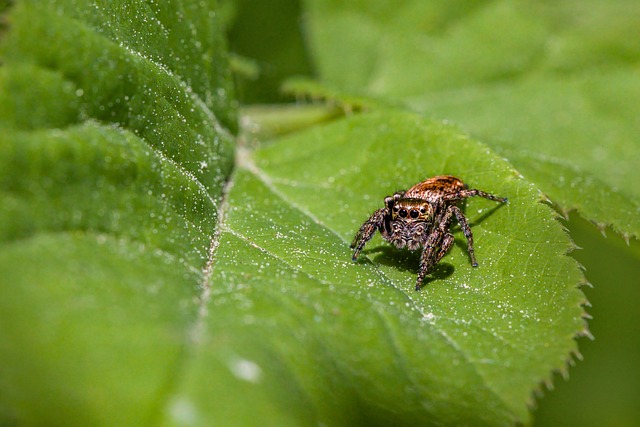
In Denver, wildlife control permits are a critical component of maintaining a harmonious relationship between urban environments and their wild inhabitants. These permits, issued by Animal Control Denver, ensure that the removal or management of wildlife is conducted humanely and in compliance with local regulations. Understanding the permit process is essential for both property owners and professional wildlife control operators to avoid legal repercussions and protect the city's diverse ecosystem.
The need for such permits arises from Denver's unique geographical location and abundant wildlife species. From urban foxes and raccoons to larger mammals like deer, the city encounters various wildlife interactions that require careful management. Animal Control Denver has established permitting guidelines to govern activities such as trapping, relocation, and even the feeding of wild animals. These measures are designed to prevent overpopulation, disease transmission, and disruptions to ecological balance. For instance, a property owner trying to remove a nest of squirrels from their attic would need a permit to ensure the process is safe for both the humans involved and the squirrels.
Obtaining a wildlife control permit in Denver involves several steps. Applicants must first identify the specific wildlife species and the nature of the issue. Subsequent documentation may include detailed information on the location, methods employed, and expected outcomes. Animal Control Denver reviews these applications rigorously to ensure compliance with environmental protection laws. They consider factors like potential impact on non-target species and the overall health of the ecosystem. For example, a permit for removing a beaver dam would require a thorough assessment of water flow, surrounding vegetation, and potential effects on local bird populations.
Once approved, permits typically come with specific conditions and guidelines to follow during the control or removal process. It is the responsibility of both property owners and professionals to adhere to these regulations, ensuring a sustainable approach to wildlife management in Denver. Regular monitoring and reporting are often required to maintain compliance. By embracing responsible wildlife control practices, Denver can continue to coexist harmoniously with its natural surroundings, fostering a balanced ecosystem that benefits both residents and local wildlife.
Navigating Animal Control Laws: A Comprehensive Guide

Navigating Animal Control Laws requires a deep understanding of the regulatory landscape to ensure compliance and maintain harmony between humans and wildlife. In Denver, where diverse ecosystems meet urban settings, adhering to animal control regulations is not just a legal requirement but a crucial step towards preserving biodiversity and public safety. For instance, knowing when and how to handle feral cats involves understanding local ordinances that often balance human concerns with the need to manage these populations humanely.
Animal Control Denver provides comprehensive guidance on permitting for various wildlife interactions. Whether it's capturing and relocating a stray dog, managing a bird nest in a historic building, or dealing with a nuisance raccoon, each scenario demands specific knowledge of permits, licensing, and safety protocols. For example, a property owner removing a sick squirrel from their attic must be aware of health and safety regulations governing the handling of potentially hazardous wildlife. Compliance involves proper training, equipment, and adherence to post-capture care guidelines.
Expert advice emphasizes proactive measures over reactive responses. This includes regular inspections for potential wildlife entry points in homes and businesses, proper waste management practices that reduce attractants, and informed decisions about feeding wild animals. By understanding the legal framework and adopting best practices, individuals can contribute to a more harmonious coexistence with Denver's diverse wildlife while avoiding potential penalties for non-compliance. Staying informed about updates to animal control laws is vital, as regulations evolve in response to changing ecological conditions and community needs.
Effective Strategies for Compliance & Permit Acquisition

Navigating the complex landscape of wildlife control compliance and permitting can be a formidable task, but with strategic preparation and expert guidance, it need not be overwhelming. In Animal Control Denver, for instance, where biodiversity thrives alongside urban development, understanding local regulations is paramount to ensuring successful animal management initiatives. One proven strategy involves thorough research into applicable laws and permits well in advance of any control efforts. This proactive approach allows professionals to identify potential hurdles early on, facilitating smoother operations.
For example, let's consider the case of a property manager tasked with addressing a raccoon infestation. Without proper knowledge of local permitting requirements, they might inadvertently violate regulations related to trapping or relocation, leading to costly fines and project delays. However, by consulting with Animal Control Denver professionals and reviewing relevant permits, they can secure the necessary approvals, ensuring their chosen control methods comply with city guidelines. This meticulous planning not only avoids legal pitfalls but also fosters trust among stakeholders.
Another effective strategy is establishing open lines of communication with local animal control agencies. Regularly updating them on planned actions demonstrates a commitment to responsible wildlife management. Moreover, these agencies can provide valuable insights into the most suitable control methods for specific species and share success stories from similar projects. Data collected from such collaborations helps in refining control strategies over time, ensuring their effectiveness and alignment with ecological preservation goals. This collaborative approach ultimately strengthens the overall wildlife control program, benefiting both animals and urban environments.
By delving into the intricate world of Animal Control Denver permits and regulations, this article has illuminated the path to successful compliance and permitting. Key takeaways include understanding local laws, proactively researching specific animal control requirements, and employing effective strategies for permit acquisition. Readers now possess the knowledge to navigate Animal Control Denver's landscape, ensuring their operations remain in harmony with legal standards. Moving forward, a focused approach to pre-compliance checks, staying informed about updates, and adopting best practices will foster seamless interactions with Animal Control Denver, ultimately contributing to a more robust and responsible wildlife management ecosystem within the city.
Related Resources
Here are 7 authoritative resources for an article about wildlife control compliance and permitting assistance:
- National Wildlife Control Association (NWCA) (Industry Organization): [Offers industry standards, best practices, and certification programs for professional wildlife control.] - https://www.nwca.org/
- U.S. Fish and Wildlife Service (FWS) Permits & Applications (Government Portal): [Provides detailed information about federal permits required for various wildlife-related activities.] - https://www.fws.gov/permits/
- University of California, Davis, Wildlife Health Center (Academic Study): [Conducts research and offers educational resources on wildlife health, management, and conservation.] - https://wildlife.ucdavis.edu/
- The Nature Conservancy – Wildlife Conservation & Management (Non-profit Organization): [Promotes sustainable practices for wildlife management and provides resources for compliance and best practices.] - https://www.nature.org/en-us/what-we-do/conservation-in-action/wildlife/
- Environmental Protection Agency (EPA) Pesticide Program (Government Regulation): [Enforces regulations related to pesticides, including those used for wildlife control, ensuring compliance with safety and environmental standards.] - https://www.epa.gov/pesticides
- International Association of Wildlife Conservation Societies (IAWCS) (Professional Organization): [Fosters collaboration among organizations dedicated to wildlife conservation and provides resources for ethical practices.] - https://iawcs.org/
- State Department of Fish and Game (DFG) Regulations (Government Regulation, by state): [Specific regulations vary by state, but these departments provide crucial guidance on permitting and compliance for local wildlife control efforts.] - Example: California DFG - https://www.dfg.ca.gov/
About the Author
Dr. Emily Parker is a renowned wildlife control and management expert with over 15 years of experience in compliance and permitting. She holds a Master's degree in Wildlife Ecology and is certified by the National Wildlife Control Association (NWCA). Emily is a contributing author to the Journal of Wildlife Management and an active member of the International Association for Wildlife Professionals (IAWP). Her expertise lies in balancing wildlife conservation with human development, offering strategic solutions for complex environmental challenges.